Not worried, but aware. A home from the 1980s is now around forty years old, which is exactly when copper supply lines under slabs start producing their first pinhole leaks, original sewer laterals begin failing, and any water heater is on at least its third replacement. Knowing which is closest lets you budget instead of react.
Why the 1980s Matter in Riverside County
Enormous parts of this county were built in that decade. Moreno Valley expanded dramatically, Corona and Murrieta grew rapidly, and large tracts went up in Riverside, Perris, and Hemet. Homes built in the same tract in the same year share pipe materials, fixture specifications, and construction methods, which means they tend to fail on similar timelines.
That is genuinely useful information. If neighbors on your street are replacing water heaters or repairing slab leaks, yours is worth inspecting before it picks its own moment. The tract-built pattern that makes problems predictable also makes them preventable.
What Is Actually at Risk
Copper supply lines under the slab are the headline item. Hard water gradually causes pinhole corrosion in copper, and twenty-five to forty years is the window where the first slab leak typically appears. The symptoms are a warm floor spot, running water with everything off, an unexplained water bill increase, and eventually cracking as soil beneath the foundation shifts.
The sewer lateral is the second. Depending on the tract, 1980s laterals may be clay, cast iron, or early ABS. Clay and cast iron are the ones that fail through root intrusion at joints and through cracking, and mature landscaping planted at the same time as the house is now large enough for roots to have found them.
Water heaters, pressure regulators, and angle stops round it out. None of those last forty years. If any of them are original, they are long past service life, and a regulator that fails high quietly stresses every fixture in the house.
What Is Probably Fine
The good news is that 1980s homes are past the eras of the worst materials. Galvanized supply piping had largely given way to copper by then, which is a substantial improvement. And the polybutylene used in some homes from the late 1970s into the mid 1990s is worth identifying but is not universal, so plenty of 1980s homes do not have it.
Drain, waste, and vent piping in ABS from that period generally holds up well. Most of what needs attention in a 1980s home is the supply side, the sewer lateral, and the appliances, rather than everything at once.
Worth Knowing About Your Own House
- What the supply piping is: copper, polybutylene, or something else
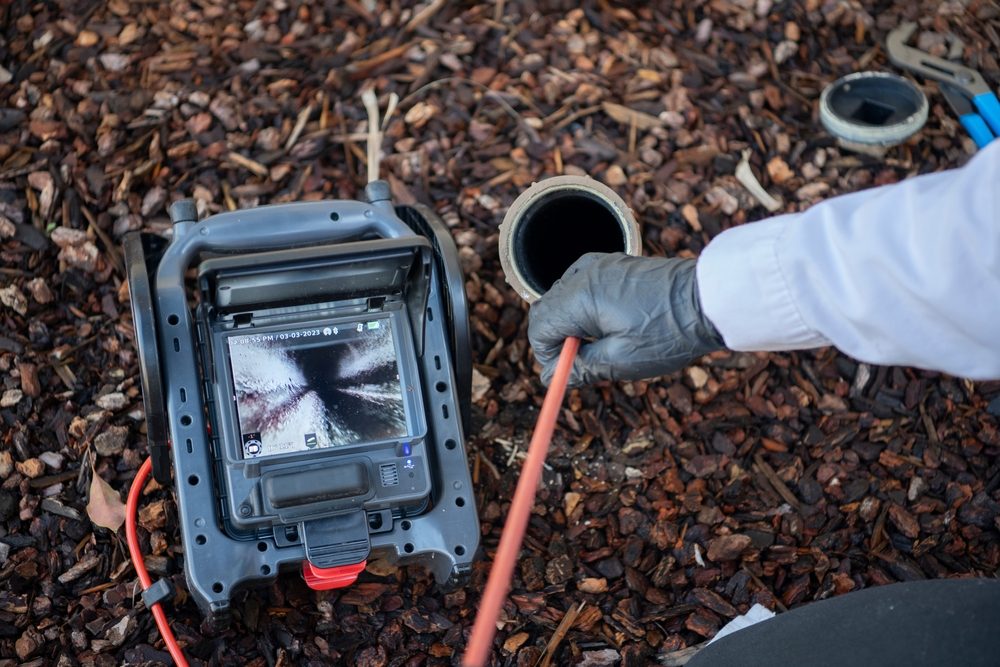
- What the sewer lateral is made of and whether it has ever been camera inspected
- The age of the water heater, from the serial number
- Whether there is a pressure regulator and roughly how old it is
- Whether static water pressure is in a normal range
- Whether any slab leaks have been repaired previously
- Whether angle stops under sinks and toilets are original
Get It Looked At If
- You have never had the sewer lateral camera inspected
- Water pressure has changed noticeably in either direction
- The water heater is original or of unknown age
- You are seeing pinhole leaks in more than one place
- You are buying or selling the home
$50 off any plumbing repair and a free plumbing inspection with any scheduled service call. See all current specials.
Call (951) 579-7318Related Services
Plumbing Inspection • Slab Leak Repair • Pipe Repair & Repiping