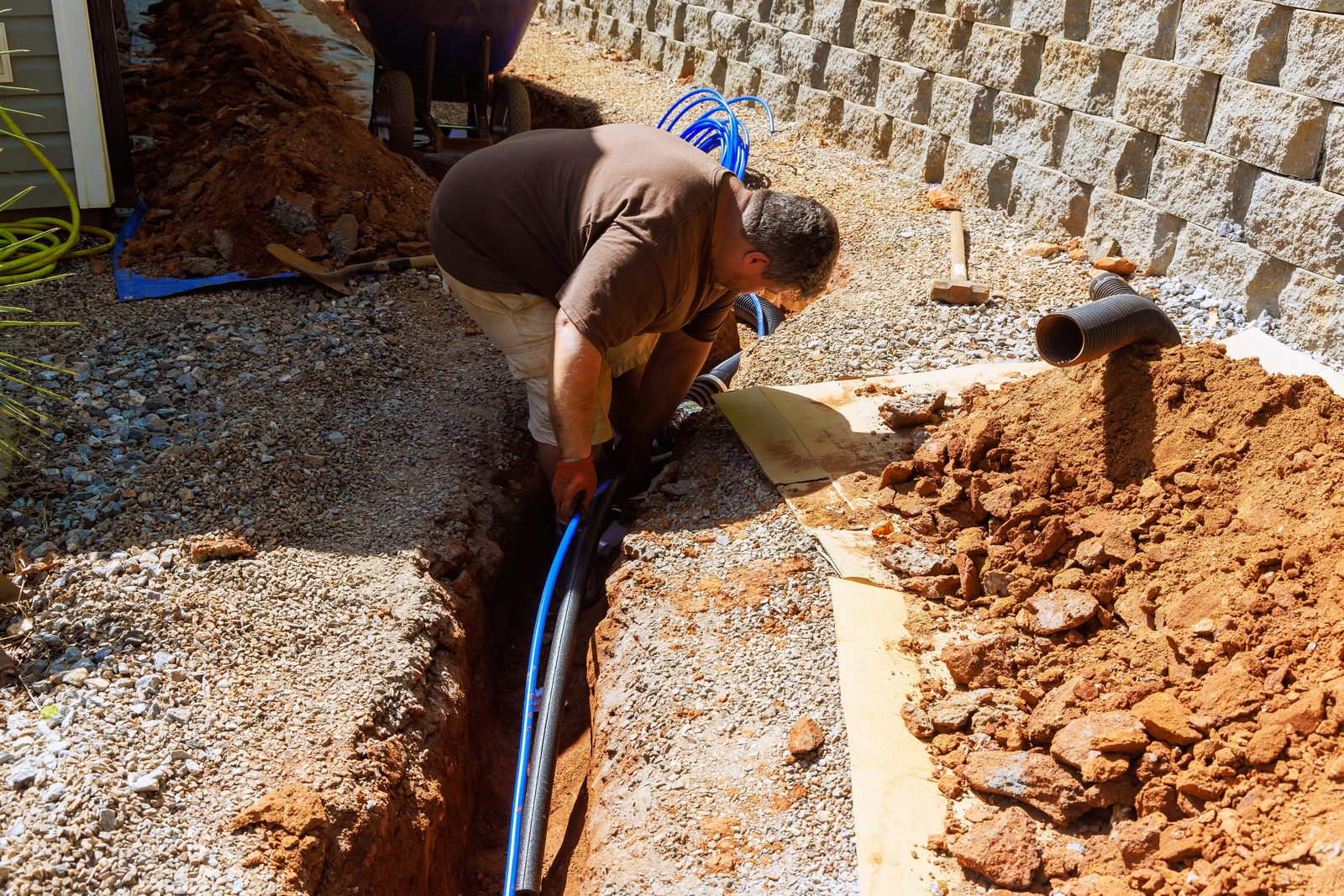
Basements are rare here, but sump pumps are not. Crawl spaces, below-grade garages, French drain systems, and elevator pits all rely on one, and they fail quietly until it rains.
Call Now: (951) 579-7318Local Plumbers are Licensed & Insured • Upfront Pricing • Same-Day Service Available
Pumps that run constantly, will not start, cycle short, or hum without moving water. Float switches, check valves, and impellers are all repairable parts.
Call (951) 579-7318Correct pump sizing for the pit and the water volume, proper discharge routing, a functioning check valve, and a basin that is actually sealed.
Call (951) 579-7318A pump is useless in the one situation you need it most if the power is out. Backup systems keep the pit clear when the storm that caused the water also took the electricity.
Call (951) 579-7318
Riverside County housing rarely has basements, so sump pumps here serve different purposes than in the rest of the country. They sit in crawl spaces prone to standing water, in below-grade garages and driveways where runoff collects, at the end of French drain systems, and occasionally in elevator pits and equipment rooms. The failure modes are the same, but the context is not.
A crawl space pump handling seasonal groundwater is a different specification from a garage pit handling storm runoff. Sizing and switch type follow from what the pump is expected to do and how often.
Most sump pump failures are the float switch rather than the motor. Testing them independently avoids replacing a working pump because of a stuck float, which is one of the more common unnecessary replacements in this trade.
A pump that runs but does not clear the pit often has a failed check valve letting water flow back in, or a discharge line that is blocked, frozen at a bend, or routed somewhere the water simply returns from.
Filling the pit and watching a full cycle is the only honest test. A pump that starts is not the same as a pump that clears the basin and shuts off cleanly.
If water is entering where it should not be, the pump is treating a symptom. See plumbing inspection to identify the source. For an active flooding situation, see emergency plumbing. Pricing is on our pricing page.
Sump pumps fail silently, which is the whole problem. They sit unused for months, and the day you need one is the day you discover it stopped working sometime in the spring. In an area where meaningful rain arrives in concentrated bursts, that discovery tends to happen at the worst possible moment.
The single most useful habit is testing it before the wet season rather than during it. Pour a bucket of water into the pit and watch what happens. The pump should start, clear the basin, and shut off cleanly without cycling back on. Anything else is a signal worth acting on while it is still convenient.
One thing worth checking yourself: confirm the pump is actually plugged in and that the outlet has power. Sump pumps share circuits with things that get unplugged, and a GFCI outlet that tripped months ago is a genuinely common cause of a pump that appears dead.
You get a clear price before any work begins and you approve it first. No hidden trip charges and no pressure to buy work you did not ask for. See our price estimates.
Camera inspections, electronic leak detection, and pressure testing find the true source before anyone picks up a wrench, so you fix the actual problem the first time.
The plumbers we work with live and work in Riverside County. They know local homes, local soil, local water, and local code, and their reputation here is everything.
Burst pipes, sewage backups, and failed water heaters cannot wait. Calls are answered by a real person, and same-day service is available for most emergencies.
Many do not, and any plumber who tells you every home needs one is selling. Where they matter here is crawl spaces that take on groundwater, below-grade garages and driveways where runoff collects, French drain systems that need a discharge point, and properties on low ground or at the bottom of a slope. If you have standing water in any of those, a pump is the usual answer.
Roughly seven to ten years for a typical residential pump, though one that sits idle most of the year can seize from disuse as easily as one that runs constantly wears out. Testing it seasonally does more for lifespan than almost anything else.
The usual causes are a float switch stuck in the on position, a check valve that has failed and is letting discharged water flow straight back into the pit, a pump undersized for the water volume, or a genuine incoming water problem that has changed. The first two are inexpensive fixes.
It depends what the pump is protecting. Heavy rain and power outages arrive together, so a pump on utility power alone is least reliable exactly when it matters. If failure means water in a finished space, stored belongings, or equipment, a backup is worth the cost. For a bare crawl space it is more optional.
Yes, though it involves more than setting a pump in a hole. It requires a properly excavated and lined basin at the low point, a discharge route that carries water somewhere it will not return from, a check valve, and a dedicated power source. Call and describe where the water is collecting and you will get an honest answer on whether a pump is the right fix.
Plus Jurupa Valley, Norco, Perris, Wildomar, Lake Elsinore, Canyon Lake and San Jacinto. We cover western Riverside County and do not travel east of Hemet. Call (951) 579-7318
Speak directly with a licensed plumber about your problem and get an honest answer about what it needs.
Call (951) 579-7318