Water Softener Repair in Riverside County

Water Softener Repair

A softener that stopped softening is usually a repair, not a replacement. Salt bridges, control valve faults, and regeneration problems are all fixable.

Call Now: (951) 579-7318

Local Plumbers are Licensed & Insured  •  Upfront Pricing  •  Same-Day Service Available


Water Softener Repair in Riverside County

$50 off any plumbing repair, including water softener service. AAA, Costco, Sam’s Club and Lowe’s member discounts also available. See all current specials.

Call (951) 579-7318

Not Softening

Hard water symptoms returning usually means a salt bridge, a failed regeneration cycle, exhausted resin, or a valve that is not cycling. Each has a different fix.

Call (951) 579-7318

Valve & Timer Faults

Control valves are the main mechanical component and the most common failure point. Pistons, seals, spacers, and timers are all replaceable parts.

Call (951) 579-7318

Leaks & Salt Problems

Leaking bypass valves, overflowing brine tanks, salt bridging, and mushing in the tank bottom all have straightforward remedies once diagnosed.

Call (951) 579-7318

Describe what is happening and get a straight answer about what it needs and what it costs.

Call (951) 579-7318

How a Softener Problem Gets Diagnosed
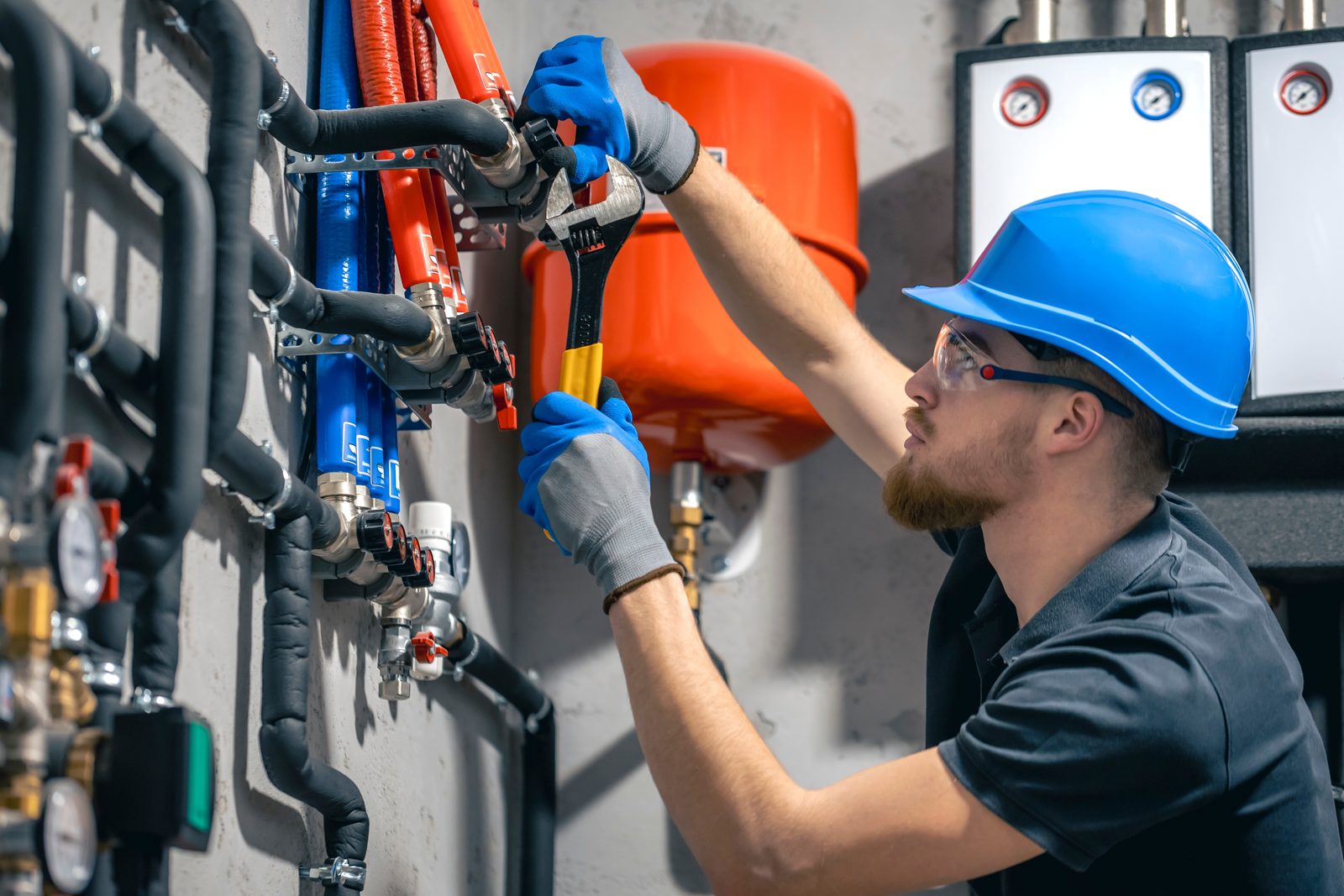
Licensed plumber tightening a fitting on a red and blue PEX repipe manifold
Most softener faults are in the control valve or the brine tank, not the resin.

Almost every softener complaint reduces to one question: is it regenerating properly? Most units that appear dead are simply not completing a cycle, and the cause is usually mechanical and inexpensive rather than terminal.

1. Confirm the Symptom

Hard water returning, salt not being used, water in the brine tank, continuous running, or leaks are different faults. Testing water hardness at a tap tells the plumber immediately whether the unit is softening at all.

2. Check the Salt and Brine Tank

A salt bridge, where a hard crust forms above an empty cavity, is the single most common cause of a softener quietly stopping. It looks like a full tank and delivers no brine at all.

3. Test the Control Valve

Manually cycling the valve reveals whether it is advancing through the stages properly. Worn pistons and seals, a failed motor, or a stuck injector each show up at a specific point in the cycle.

4. Assess the Resin

Resin lasts many years but eventually degrades, and chlorine or iron shortens that. If resin is the problem, a rebed is generally cheaper than a new system on a unit with a sound valve.

If your unit is genuinely at end of life, see water softener installation. If your concern is taste and odor rather than hardness, see water filtration. Pricing is on our pricing page.


Signs Your Softener Has Stopped Working

A failed softener rarely announces itself. It stops softening, and you notice weeks later when spotting returns to the glassware and the shower door starts filming again. By then the water heater has been taking hard water for a while.

The useful habit is watching salt consumption. A working softener uses salt on a predictable schedule. When the level stops dropping, the unit has stopped regenerating, and that is the earliest warning you will get.

A salt bridge is worth checking yourself before calling anyone. Press down carefully with a broom handle in the brine tank. If the salt crust breaks and drops into a cavity underneath, that was almost certainly the problem, and it costs nothing to fix.


Why Homeowners Choose Plumber Pro Services

Straightforward, Upfront Pricing

You get a clear price before any work begins and you approve it first. No hidden trip charges and no pressure to buy work you did not ask for. See our price estimates.

Real Diagnostics, Not Guesswork

Camera inspections, electronic leak detection, and pressure testing find the true source before anyone picks up a wrench, so you fix the actual problem the first time.

Local & Accountable

The plumbers we work with live and work in Riverside County. They know local homes, local soil, local water, and local code, and their reputation here is everything.

Fast Response When It Matters

Burst pipes, sewage backups, and failed water heaters cannot wait. Calls are answered by a real person, and same-day service is available for most emergencies.


Common Questions

Most repairs are modest compared with replacement, with control valve rebuilds and part replacements being the common jobs. A resin rebed costs more but is still generally well below a new system. You get an exact price after diagnosis and before any work starts.

That usually means the unit is regenerating but not softening, which points to exhausted or fouled resin, a valve that is not drawing brine correctly, or a bypass that has been left open. Testing hardness before and after the unit isolates which.

A quality unit generally lasts ten to fifteen years or more, and control valves can be rebuilt along the way. Resin typically outlasts the first valve rebuild. Units that are undersized for the hardness here work harder and wear out faster.

If the tank and resin are sound and the fault is in the valve, repair is usually the better value by a wide margin. If the unit is well over a decade old, undersized for your household, and the resin is degraded, replacement makes more sense. Age and what specifically failed drive the answer.

A hard crust of salt that forms across the brine tank with an empty space underneath. The tank looks full, but no salt is contacting the water, so no brine is made and no regeneration happens. Humidity and certain salt types make it more likely, and breaking it up resolves it.


Serving Western Riverside County

Plus Jurupa Valley, Norco, Perris, Wildomar, Lake Elsinore, Canyon Lake and San Jacinto. We cover western Riverside County and do not travel east of Hemet.  Call (951) 579-7318

Need Help Today?

Speak directly with a licensed plumber about your problem and get an honest answer about what it needs.

Call (951) 579-7318